If you’ve ever wondered how often should you get your teeth cleaned, you’re not alone—most people hear “every six months” and assume it’s universal. At Smile Dental in St. Clair, Toronto, we personalize that timeline so your mouth stays healthy with the fewest visits necessary. We’ll explain how often should you get your teeth cleaned based on risk, habits, and medical history, then show what a modern visit includes and how to keep results lasting longer. You’ll also get a clear look at comfort, cost, and what to expect if it’s been a while. We’ll use the term teeth cleaning once here—because beyond polishing, today’s preventive care targets biofilm, gum health, and long-term stability.
How Often Should You Get Your Teeth Cleaned: What "Often" Really Means
“Every six months” is a baseline, not a rule. For low-risk patients with healthy gums, twice-yearly care usually maintains a clean, low-inflammation environment. If your gums bleed, you’ve had deep cleanings in the past, or plaque builds quickly, a 3–4 month interval prevents relapse. The answer to how often should you get your teeth cleaned is therefore the shortest schedule that keeps bleeding minimal and pockets stable—measured, not guessed.
Risk Factors That Change the Answer
Timing is biology plus behaviour. We adjust intervals when these apply:
- History of Gum Disease: Once pockets have been inflamed, they need closer maintenance to stay stable.
- Smoking or Vaping: Nicotine masks bleeding yet elevates risk; more frequent visits counter that.
- Diabetes or Dry Mouth: Reduced saliva or systemic inflammation accelerates plaque challenges.
- Orthodontic Appliances & Tight Contacts: More plaque traps = more support.
- Diet & Home Care: Frequent snacking, sugary drinks, or rushed brushing tilt the schedule shorter.
- When we personalize how often should you get your teeth cleaned, we’re matching care to the world your mouth actually lives in.
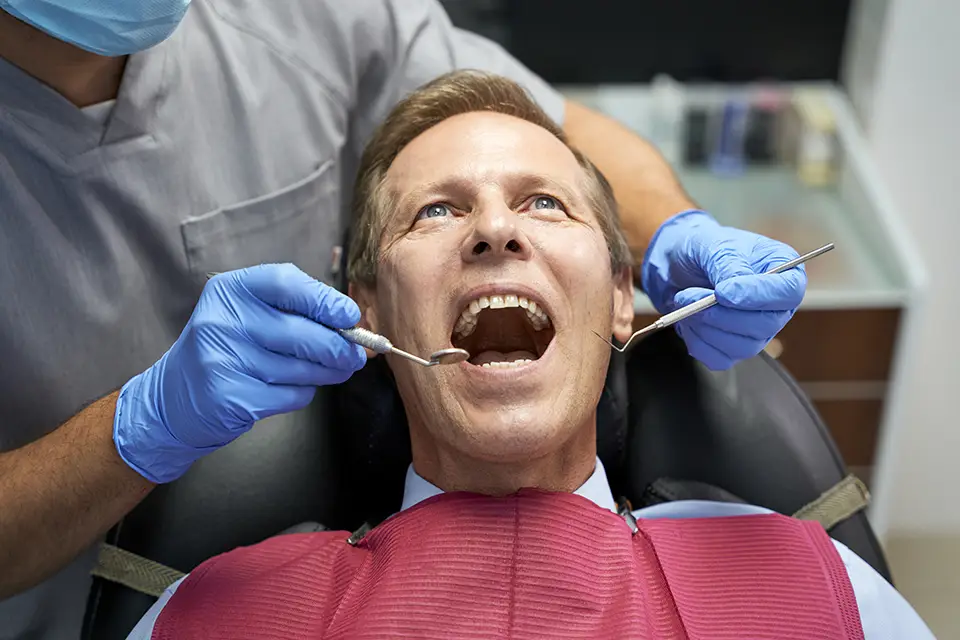
How Often Should You Get Your Teeth Cleaned: Signals Your Mouth Gives You
Your gums broadcast when the interval is too long:
- Bleeding When Brushing/Flossing: A sign of inflammation, not “brushing too hard.”
- Persistent Morning Breath: Biofilm thriving below the gumline.
- Tartar Build-Up at the Lower Front Teeth: Salivary minerals telling us the interval is overdue.
- Tender, Puffy Margins or Recession Sensitivity: Early warning that your maintenance needs a tune-up.
- New Staining That Returns Quickly: Plaque is reorganizing faster than your current schedule.
If these show up, how often should you get your teeth cleaned likely shifts to closer visits until things calm.
Appointment Types and Timelines
Not all “cleanings” are the same:
- Routine Preventive Visit (Prophylaxis): For healthy gums; biofilm and stain removal above the gumline, plus polishing and exam.
- Periodontal Maintenance: For patients with past gum therapy, targets above and below the gumline to keep pockets quiet.
- Scaling and Root Planing (Therapy): Active treatment for inflamed, deeper pockets; followed by maintenance every 3–4 months.
- The smarter we are about matching the appointment to your status, the more accurate our answer to how often should you get your teeth cleaned becomes.
How Often Should You Get Your Teeth Cleaned: What We Do at Each Visit
A modern visit is efficient and thorough:
- Risk Review: Medications, health changes, and habits that influence your gums.
- Periodontal Screening: Pocket depths, bleeding points, and recession mapping to guide intervals.
- Biofilm & Tartar Removal: Ultrasonic and hand instruments where they work best—gentle, precise.
- Polish & Desensitize: Smooth surfaces that resist new build-up; address any sensitive spots.
- Enamel Support: Fluoride varnish or targeted recommendations when risk is higher.
- This structure makes how often should you get your teeth cleaned a data-driven choice, not a calendar tradition.
Home Routine That Stretches the Interval
Small habits buy you time between visits:
- Two-Minute Brushing (Twice Daily): Soft brush, light pressure, small circles at the gumline.
- Interdental Cleaning Daily: Floss, interdental brushes, or a water flosser—whichever you’ll actually use.
- Rinse Smart: Water after coffee or snacks; high-risk patients benefit from night-time fluoride toothpaste.
- Snack Rhythm: Keep sweets with meals instead of all day—less acid time means calmer gums.
- When your routine is consistent, how often should you get your teeth cleaned may stay comfortably at the six-month mark.
How Often Should You Get Your Teeth Cleaned: Special Cases We See Often
Life stages change the schedule:
- Orthodontic Treatment: More plaque traps → shorter intervals (often 3–4 months).
- Pregnancy: Hormonal changes can inflame gums; closer monitoring keeps tissues healthy.
- After Deep Cleaning: Maintenance starts tight (every 3–4 months) and lengthens only if measurements stay stable.
- Implants and Restorations: We protect the tissues and prosthetics with tailored instruments and timing.
These are common reasons we refine how often should you get your teeth cleaned at Smile Dental.
Comfort, Time, and What to Expect If It's Been a While
Haven’t visited in a year or two? We’ll reset, not judge:
- Numbing When Helpful: Comfort first; we tailor anesthesia to sensitivity.
- Staged Care: If build-up is heavy, we split visits so each is comfortable and thorough.
- Clear Benchmarks: We’ll show before/after areas and explain how we’ll measure success next time.
- Gentle Starts: Polishing and desensitizers help you leave feeling comfortable and confident.
This is the quickest path back to a predictable how often should you get your teeth cleaned rhythm.

Costs, Insurance, and Value (They Vary by Factors)
Fees depend on appointment type and time required. Preventive visits are typically the most economical dentistry you can buy; they prevent larger treatments and help existing restorations last. If insurance applies, we’ll estimate coverage and sequence care sensibly. The practical value in answering how often should you get your teeth cleaned is fewer surprises—both clinical and financial.
Why Smile Dental (St. Clair, Toronto)
You’ll get a short, friendly visit anchored by measurements, not guesswork. We chart pocket depths and bleeding points, then set intervals that keep your gums calm with the fewest appointments needed. You’ll leave with a routine you can actually keep and a clear answer to how often should you get your teeth cleaned for your mouth, not someone else’s.
Conclusion
The right cleaning schedule isn’t a date on a postcard—it’s a response to how your gums behave over time. When measurements stay stable, and bleeding is rare, we stretch intervals; when life gets busy, and signs flare, we tighten them briefly and then lengthen again. If you want a personalized, low-stress plan for how often should you get your teeth cleaned, book a visit at Smile Dental in St. Clair, Toronto. We’ll measure, explain, and map a routine that protects your smile with the least effort possible.
FAQs — How Often Should You Get Your Teeth Cleaned
Is every six months still the standard?
It’s a starting point. We use your pocket depths, bleeding scores, and build-up patterns to set how often should you get your teeth cleaned—for many people that’s six months, for others it’s 3–4 months until things stabilize.
What if my gums bleed when I floss?
Bleeding signals inflammation, not “too much flossing.” A closer interval plus gentle daily interdental cleaning usually turns it around. That change can lengthen how often should you get your teeth cleaned once bleeding resolves.
I brush well—why do I still get tartar?
Minerals in saliva harden plaque in predictable spots. Professional removal resets the baseline; technique tweaks help slow build-up between visits.