Tooth and gum problems don’t follow business hours, and waiting can turn a small issue into a bigger, more expensive one. This guide highlights signs you need to see a dentist immediately and explains what to do in the first hour to protect your teeth, comfort, and overall health. At Smile Dental in St. Clair, Toronto, we focus on practical steps you can take at home before your visit, how appointments flow in urgent cases, and how to keep similar problems from returning. If you’re searching for a dentist Toronto patients trust in a pinch, you’ll find a calm, step-by-step approach here. By the end, you’ll recognize signs you need to see a dentist immediately and know exactly when to call, what to bring, and how to manage pain safely.
Signs You Need to See a Dentist Immediately: Toothache That Interrupts Sleep
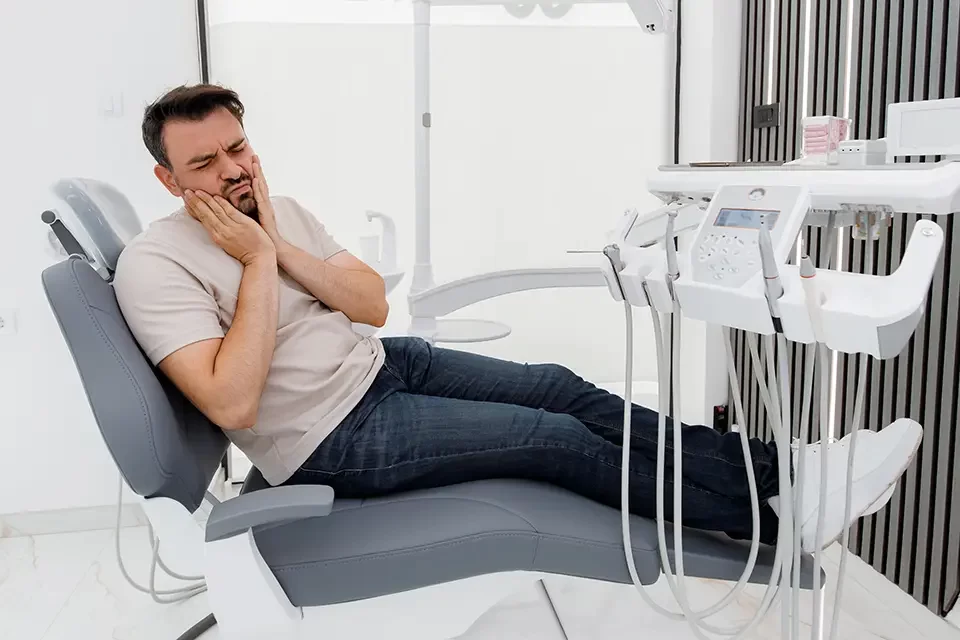
Pain that throbs, wakes you at night, or worsens when you lie down is a red flag for nerve irritation or infection. Take a photo of any swelling, note whether hot/cold triggers a sharp zing or dull ache, and avoid placing aspirin on the gum (it burns tissue). Rinse gently with warm saltwater and use over-the-counter analgesics as directed. This is one of the most common signs you need to see a dentist immediately because early treatment often prevents bigger procedures.
Facial Swelling or Spreading Infection
Puffiness near a tooth, tenderness under the jaw, or swelling that’s moving toward the eye or neck needs an urgent exam. These can indicate an abscess or deep gum infection. Keep upright, avoid heat on the face, and do not attempt to “pop” anything. Facial swelling is among the signs you need to see a dentist immediately because infections can spread beyond the mouth if ignored.
Signs You Need to See a Dentist Immediately: Knocked-Out or Suddenly Loose Adult Tooth
Time matters—fast action can save a tooth.
- Find and Handle the Tooth by the Crown: Never touch the root.
- Rinse Briefly if Dirty: Use milk or saline; don’t scrub.
- Reposition if Possible: Gently place back in the socket and bite on gauze; if not, store in cold milk or the mouth between cheek and gums.
- Call Right Away: Reimplantation within 30–60 minutes offers the best chance.
A knocked-out tooth is one of the clearest signs you need to see a dentist immediately—minutes count.
Broken, Cracked, or Sharp-Edged Teeth
A clean break with sharp edges can cut cheeks and tongue. Save any fragments in milk, cover jagged areas with orthodontic wax, and avoid chewing on that side. Cold sensitivity that lingers may signal a deeper crack. Even if pain is mild, structural damage ranks high among signs you need to see a dentist immediately because small cracks can propagate quickly under normal biting forces.
Also Read: Emergency Dentist Carleton Village Appointment
Signs You Need to See a Dentist Immediately: Uncontrolled Bleeding After Treatment
A little oozing is normal after some procedures, but steady bleeding that soaks gauze for 30–60 minutes needs attention. Sit upright, place firm pressure with clean, folded gauze or a damp tea bag over the site, and avoid spitting or rinsing (which can dislodge the clot). Persistent bleeding—especially if you take blood thinners—is one of the signs you need to see a dentist immediately so we can stabilize the site and review medications.
Gum Emergencies: Pus, Bad Taste, or a "Pimple" on the Gum
A small bump that drains, a sudden bad taste, or pressure relief after pus appears usually means an abscess connected to a tooth or deep pocket. Warm saltwater rinses can keep the area clean, but this is not a DIY problem. These symptoms are classic signs you need to see a dentist immediately because an abscess won’t resolve fully without addressing the cause.
Signs You Need to See a Dentist Immediately: Trauma, Bite Changes, or Numbness
Impact injuries and sudden bite shifts deserve quick evaluation.
- Jaw or Tooth Trauma: After a fall or sports hit, we check for root fractures and tooth mobility, even if the pain feels minor.
- New Bite Interference: If teeth no longer meet properly, a cracked cusp or high restoration may be overloading a tooth.
- Numbness or Tingling: Altered sensation around lips or chin after injury is among the signs you need to see a dentist immediately; nerves may be involved.
Document the incident time and any drugs taken; bring a mouthguard if the injury happened during sport.
What to Do in the First Hour
Quick, simple actions reduce complications before you arrive.
- Control Pain Safely: Use over-the-counter pain relief as directed; avoid topical aspirin on gums.
- Protect Soft Tissues: Cover sharp edges with orthodontic wax or sugar-free gum as a short-term shield.
- Keep the Area Clean: Gentle warm saltwater rinses; avoid vigorous swishing or flossing through a bleeding site.
- Hydrate & Stay Upright: Helps reduce swelling and keeps airways comfortable.
- Call Us Early: Same-day triage lets us prepare the right room, instruments, and anesthesia.
These steps apply across many signs you need to see a dentist immediately and can make treatments simpler.
Costs, Timelines, and What Affects Care When You Notice the Signs You Need to See a Dentist Immediately
Urgent visits are designed to stabilize first—relieve pain, control infection, and protect the tooth—then complete definitive care soon after. Costs vary by complexity: imaging, drainage, temporary dressings, or bonding vs. larger procedures. Factors that move timelines and fees include infection severity, crack depth, whether a nerve is involved, and the need for follow-up (e.g., root canal, crown, or extraction with a plan for replacement). We’ll give clear estimates before any non-emergency steps, so decisions stay calm and informed.
Prevention That Actually Works
Most emergencies are preventable. A well-fitted night guard limits crack propagation for clenchers, a sports mouthguard protects teeth during contact play, and timely repairs stop small issues from snowballing. Routine hygiene visits catch early gum infections and failing fillings—long before pain starts. Prevention shrinks the odds you’ll face signs you need to see a dentist immediately in the first place.
Why Choose Smile Dental on St. Clair, Toronto
Urgent care should feel organized, not rushed. We triage by phone, reserve the right time block, and show you intraoral photos so you can see exactly what’s wrong and what comes next. You’ll leave with a written plan, pain control you can manage at home, and two or three practical habits to prevent a repeat. When signs you need to see a dentist immediately appear, having a local team that explains plainly—and treats decisively—makes all the difference.
Also Read: Emergency Dental Care for Families: Quick and Reliable Solutions
Conclusion
Emergencies don’t need to be chaotic. Recognizing signs you need to see a dentist immediately—night-waking toothaches, swelling, knocked-out teeth, uncontrolled bleeding, abscess “pimples,” or numbness—helps you act quickly, protect tissues, and save teeth. If something feels off right now, call Smile Dental in St. Clair, Toronto. We’ll stabilize the problem, map the simplest path to full recovery, and show you how to prevent a sequel—so you can get back to eating, sleeping, and speaking comfortably.
FAQs — Signs You Need to See a Dentist Immediately
How do I tell normal sensitivity from signs you need to see a dentist immediately?
Sensitivity that fades in seconds after cold is usually manageable. Pain that throbs, wakes you, or lingers longer than a minute—especially with swelling or a bad taste—are signs you need to see a dentist immediately.
I chipped a front tooth but it doesn't hurt. Do I still need urgent care?
Yes, if the edge is sharp or the fracture is near the nerve. Minor bonding can prevent cuts and deeper cracks; delaying risks a larger break.
Can I wait out a gum "pimple" that drains on its own?
No. That bump signals an abscess. It may feel better briefly after draining, but the infection remains. This is among the signs you need to see a dentist immediately for diagnosis and treatment.
What should I bring to an emergency visit?
Any tooth fragments or crowns in a small container, a list of medications/allergies, and recent dental records, if available. Photos of swelling taken earlier can help us track changes.